Unlocking the Symphony: A Journey into the World of DIY Audio Equipment
In a world dominated by sleek, ready-made audio equipment, a quiet revolution is brewing in the basements and garages of audiophiles around the globe. The DIY audio movement isn’t just about saving money; it’s about crafting a personal sonic signature, an expression of individuality in the form of speakers, amplifiers, and more.
The allure of DIY audio equipment begins with the simple joy of creation. Imagine assembling a set of speakers from scratch, handpicking each component to suit your specific auditory preferences. It’s a process that transforms a passive listening experience into an active pursuit of sonic perfection. You don’t just hear the music; you feel the vibration of each carefully selected element working in harmony.
One of the key benefits of DIY audio is customization. Off-the-shelf products often force consumers into a one-size-fits-all approach. However, when you build your own gear, you have complete control over the design and functionality. Want a vintage tube amplifier that gives your music a warm, rich tone? You can build it. Prefer a minimalist setup with high-fidelity digital processing? The choice is yours. The internet is a treasure trove of schematics, forums, and guides, offering everything from beginner kits to advanced custom designs.
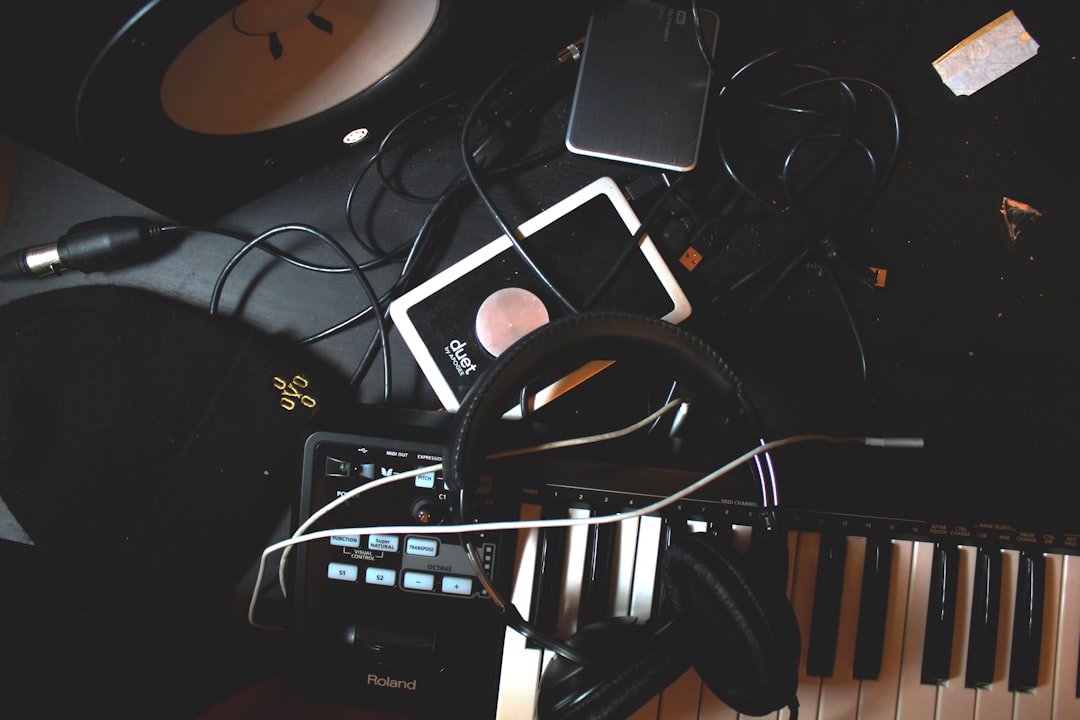
Moreover, there’s an unexpected joy in the challenges of DIY projects. When faced with a tangled mess of wires or a seemingly insurmountable technical hurdle, perseverance and problem-solving become part of the narrative. Each setback is a lesson learned, and every success, no matter how small, is a step toward mastery. In the end, the sense of accomplishment is unparalleled.
Beyond the technical aspects, DIY audio projects often lead to a deeper connection with the music itself. As you delve into the nuances of sound reproduction, you begin to appreciate the artistry involved in every track. Suddenly, your favorite song is more than just a catchy tune; it’s a complex arrangement of frequencies and timbres, each with its own role in the symphony.
Of course, not everyone has the time or inclination to build their own equipment. Yet, the principles of the DIY movement can still inspire even those who prefer to purchase ready-made gear. By learning more about the components and technology behind your equipment, you become a more informed consumer, better equipped to make choices that reflect your tastes and needs.
In conclusion, the world of DIY audio equipment offers more than just a cost-effective alternative to commercial products. It’s a gateway to a deeper understanding and appreciation of music. Whether you’re soldering your first circuit or simply reading about the latest DIY trends, there’s a sense of empowerment that comes from engaging with the art and science of sound. So, why not embark on your own audio adventure? Who knows what symphonic discoveries await you.